Ramen Nagi Philippines Menu Prices 2026
If you’re planning a bowl of tonkotsu ramen anytime soon, checking Ramen Nagi Philippines menu prices 2026 before you head out is a smart move prices shift more often than most diners expect, especially with the brand’s rotating monthly promos.
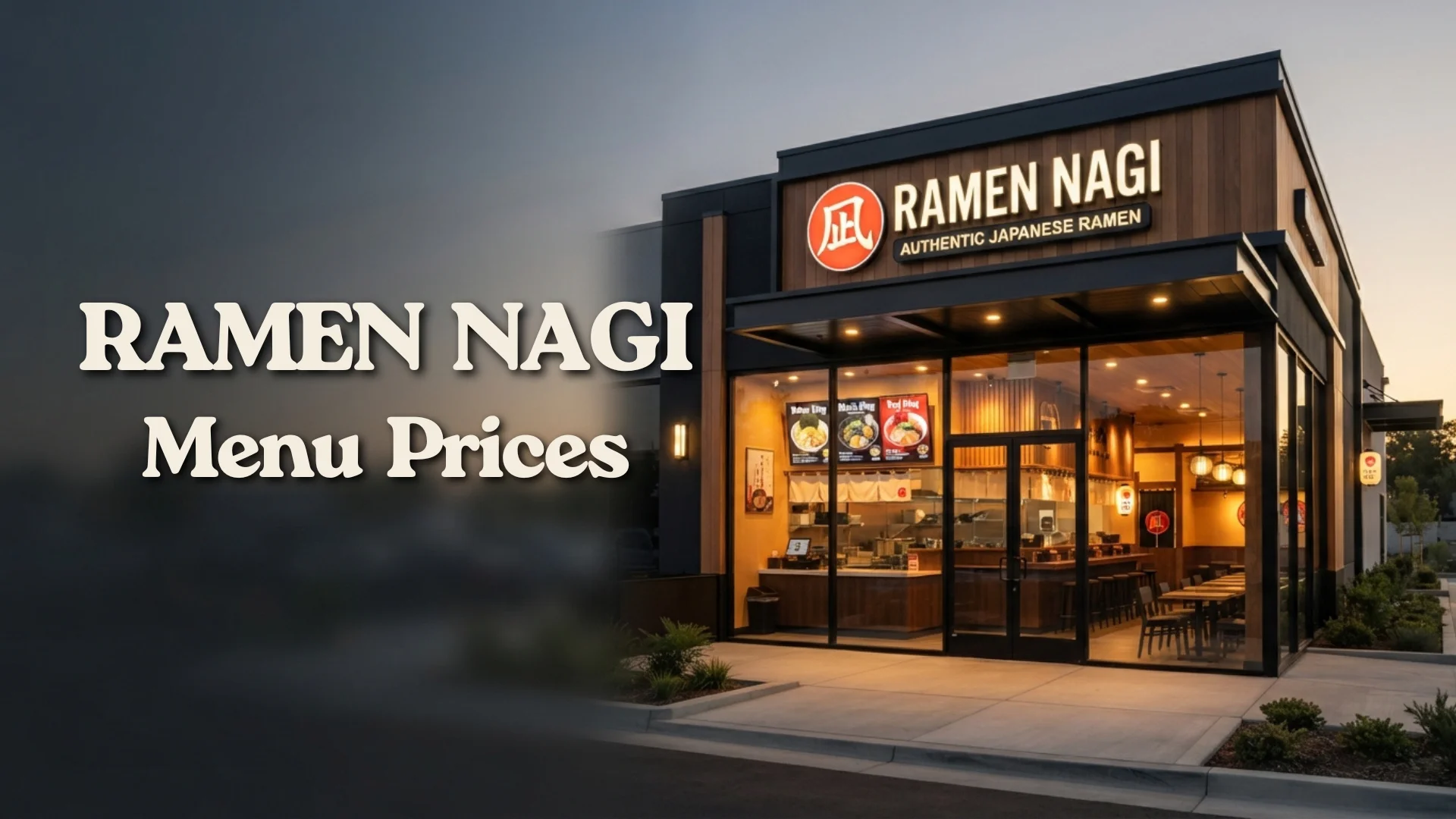
Ramen Nagi is a Japan-born ramen specialist that made its way to Metro Manila back in 2013 and has since expanded to branches across Luzon, with a growing footprint in malls and standalone shops. It’s built its local following on rich, tonkotsu-based broths, a build-your-own-bowl customization slip (broth richness, noodle firmness, garlic level), and its signature “King” ramen lineup the kind of place regulars visit specifically for one broth they’ve already decided is “their” bowl.
Ramen Menu Prices
| Ramen | Price |
|---|---|
| Butao King (classic tonkotsu) | ₱520 |
| Red King (garlic chili) | ₱590 |
| Black King (blackened garlic & squid) | ₱590 |
| Green King (basil & parmesan) | ₱590 |
| Wonder Kakuni King | ₱690 |
| La Jolla King | ₱780 |
| Mt. Cheese King | ₱780 |
| Mazesoba King (brothless) | ₱590 |
| Kiddie Meal | ₱300 |
Good-for-2 sharing bowls: Butao King ₱1,006 · Red King ₱1,130 · Black King ₱1,130 · Green King ₱1,130
Add-Ons and Toppings
| Add-On | Price |
|---|---|
| Extra Chashu | ₱220 |
| Extra Kakuni (pork belly) | ₱220 |
| Tamago (seasoned egg) | ₱90 |
| Extra Nori | ₱80 |
Sides and Snacks
| Item | Price |
|---|---|
| Sui Gyoza (3 pcs) | ₱190 |
| Nagi Signature/Classic Karaage | ₱300 |
| Pork Tonkatsu | ₱350 |
| Curry Spring Roll | ₱310 |
| Nagi Star Salad | ₱360 |
Beverages
| Drink | Price |
|---|---|
| Teaco Peach Mango | ₱110 |
*Prices above are compiled from several independently maintained Philippine menu-price trackers and cross-checked against each other for consistency, since Ramen Nagi doesn’t publish a single public price sheet online. Figures can differ slightly by branch, by delivery platform (GrabFood and Foodpanda pricing typically runs higher than dine-in), and during promo periods always confirm with the specific branch or app before ordering.
About Ramen Nagi Philippines
Ramen Nagi originated in Japan and opened its first Philippine branch in 2013, bringing over its trademark approach: a small core menu of “King” ramen bowls, each with a distinct broth identity, paired with a customization slip that lets diners dial in exactly how they want their bowl built. It’s grown into one of the more recognizable ramen names in Metro Manila malls, with additional branches reaching into nearby provinces.
The restaurant leans into specialization rather than variety you won’t find a sprawling Japanese menu here. Instead, the handful of core ramen bowls are the draw, backed by a short list of sides like gyoza, karaage, and tonkatsu for people who want a fuller meal.
Popular Items To Try
- Butao King – the original tonkotsu bowl and the standard starting point for first-timers.
- Red King – garlic, chili oil, and cayenne stirred into the tonkotsu base for diners who want heat.
- Black King – blackened garlic and squid folded into the broth for a smokier, more savory profile.
- Green King – basil, olive oil, and parmesan layered into tonkotsu; the menu’s most unusual option.
- Sui Gyoza – a reliable side order that shows up in most tables’ orders alongside any King bowl.
- Nagi Classic Karaage – Japanese fried chicken, ordered often enough that it’s treated as an unofficial menu staple.
Deals, Promos, and Discounts
Ramen Nagi has run a “Nagi Favorites” promo tied to the 13th of each month, offering a featured item at a reduced price with the purchase of any ramen bowl, in partnership with select SM Supermalls locations. Mechanics, participating branches, and exact redemption windows can change, so check the official Ramen Nagi Philippines Facebook page or the SM Malls Online app for the current terms before counting on it.
Price and Value for Money
Ramen Nagi sits above casual noodle-house pricing, and a full sit-down meal bowl plus a side or two comfortably clears ₱800–₱900 per person. What you’re paying for is the customization (spice, garlic, noodle firmness are all adjustable at no extra cost) and a broth that’s noticeably richer than what you’d get at a budget ramen spot. For diners on a tighter budget, sticking to Butao King or the Mazesoba King and skipping extras keeps the bill closer to ₱600.
Is Ramen Nagi Worth Trying?
For a first visit, Butao King is the fair test case it’s the least “styled” bowl on the menu and gives you a clean read on whether Ramen Nagi’s broth style works for you before committing to the bolder Red or Black King. Diners who’ve been a few times tend to notice the same pattern: the base bowl is already a full, satisfying portion, so ordering every add-on isn’t necessary the way it can feel at other ramen chains that serve thinner portions.
Where the restaurant earns repeat visits is the customization slip being able to set garlic level and noodle firmness by name rather than guessing from a generic “spicy/not spicy” menu option is a small thing that regulars mention often. The trade-off is pace: because bowls are still assembled to order rather than pre-portioned, weekday lunch rushes at mall branches can mean a longer wait than a typical fast-casual noodle counter, so it’s not the fastest option if you’re on a tight lunch break.
Dining Experience and Service
Ramen Nagi branches are primarily dine-in, mall-based counters with a handful of standalone locations, and most offer takeout alongside delivery through GrabFood and Foodpanda. Seating tends to run smaller than a typical restaurant expect counter seats and small tables rather than large group setups which fits its positioning as a quick, focused ramen stop rather than a group dining destination.
Branches, Contact, and Opening Hours
Ramen Nagi operates over a dozen branches across Metro Manila and nearby provinces, including locations at SM Mall of Asia, Robinsons Magnolia, UP Town Center, ATC Corporate Center in Alabang, and Solenad in Nuvali, Laguna, among others. Opening hours may vary by branch, so it is better to check the official branch page before visiting.
For the most current contact numbers and hours, check the official Ramen Nagi Philippines Facebook page (facebook.com/RamenNagiManila) or the branch listing on its home mall’s directory.
Services and Facilities
- Dine-in seating
- Takeout
- Delivery via GrabFood and Foodpanda
- Build-your-own broth and noodle customization
- Kiddie meal option